Reading the Future of Türkiye Through Data: Population and Social Transformation Panel
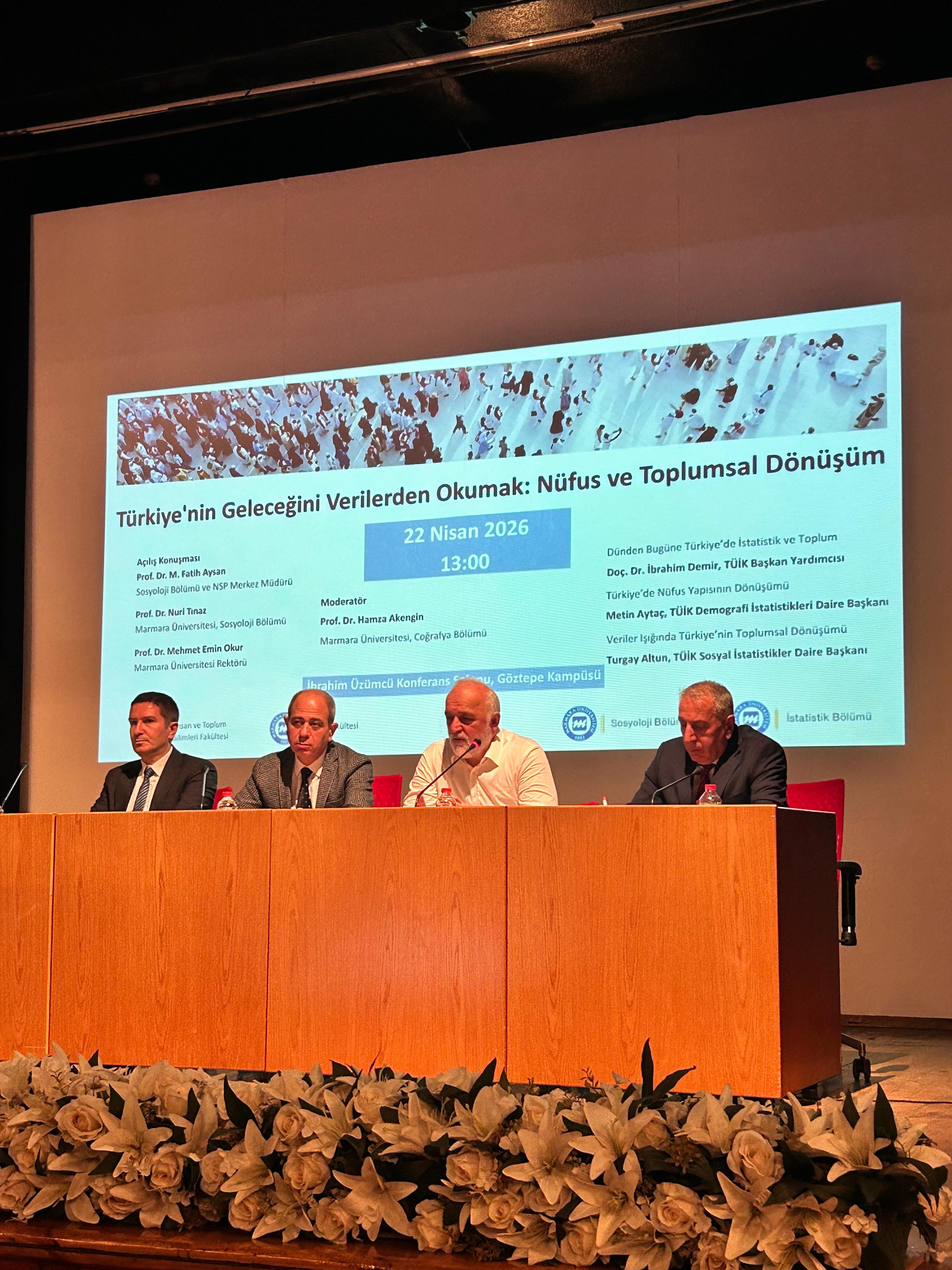
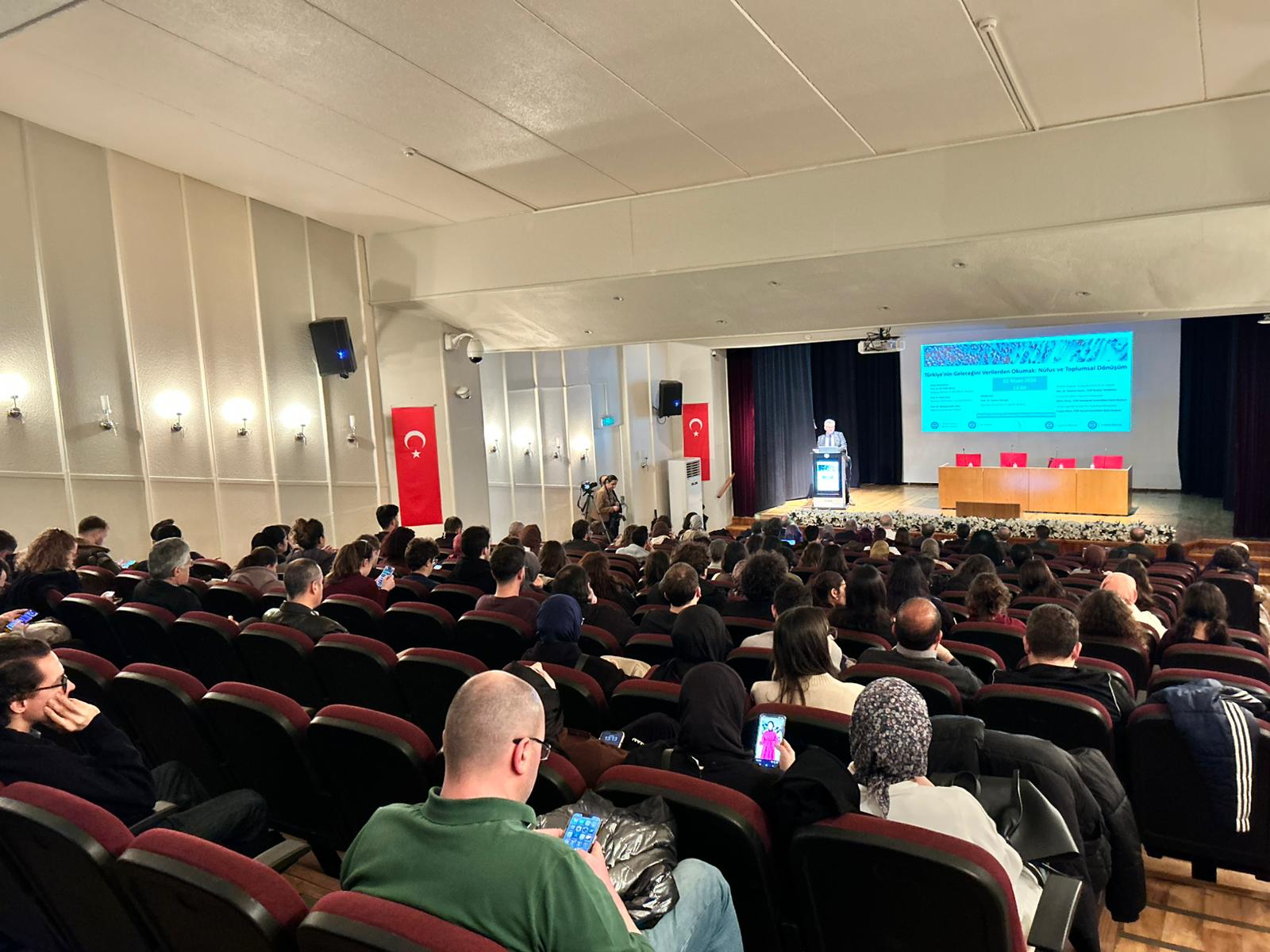
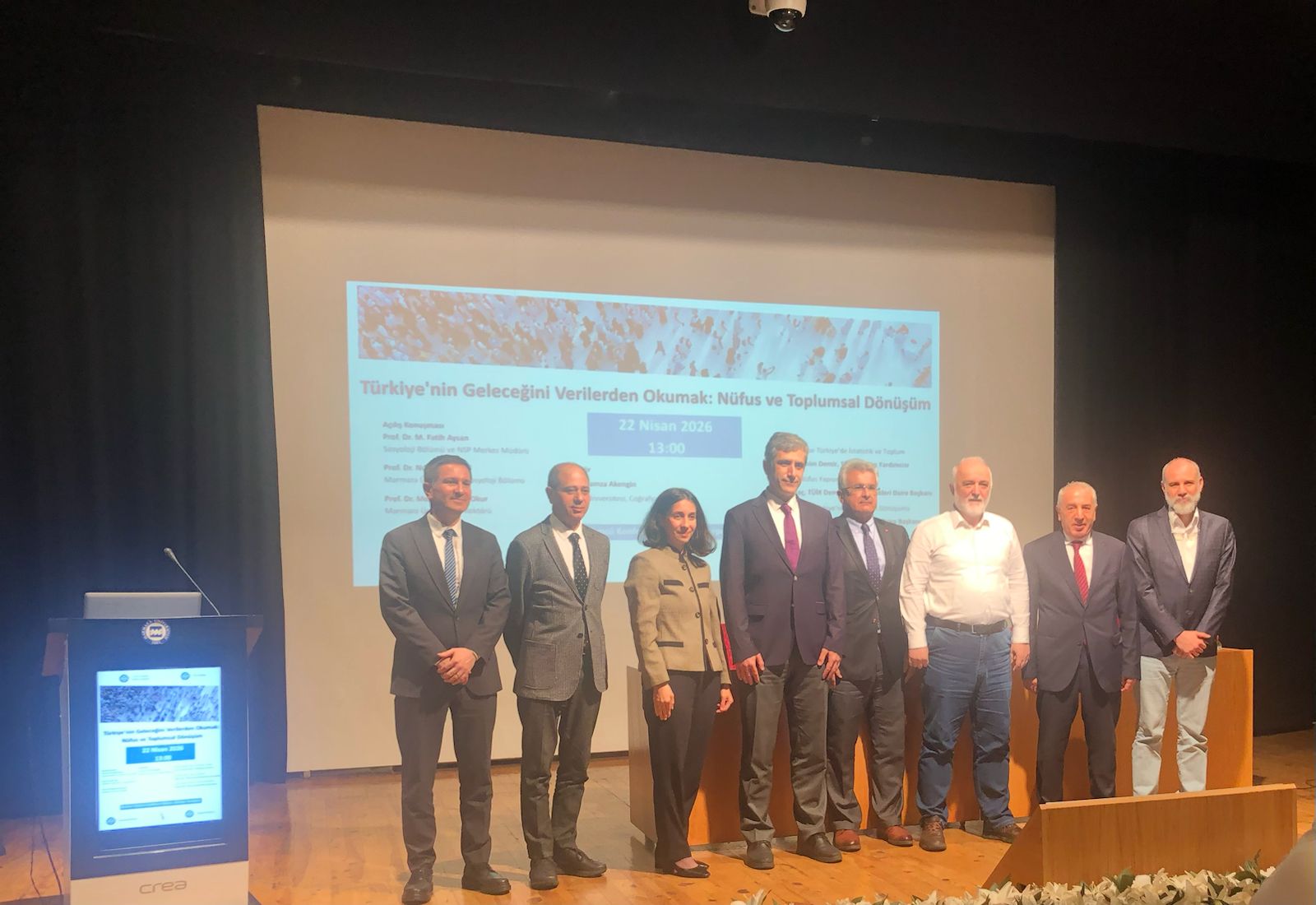
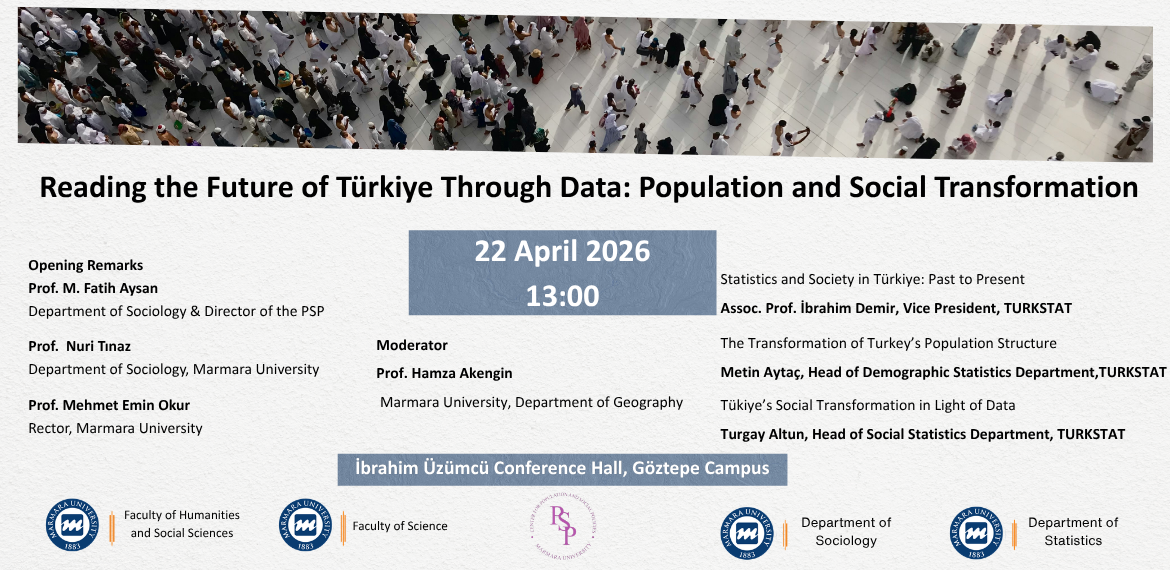
Organized by the Marmara University Center for Population and Social Policy Research (NSP), the panel titled Reading Türkiye’s Future Through Data: Population and Social Transformation addressed recent transformations in Türkiye’s demographic structure from a multidimensional perspective. The discussion particularly focused on key trends such as increasing life expectancy, declining fertility rates, and the growing share of the elderly population within the total population.
With the rise in average life expectancy in Türkiye, the proportion of the elderly population has been increasing rapidly. It was emphasized that this process should be evaluated not only in terms of absolute growth but also through the concept of the “pace of ageing.” In this regard, it was noted that Türkiye is expected to reach levels of population ageing similar to many European countries within a much shorter time frame. Projections indicate that the share of the elderly population will increase significantly in the coming years, making this rapid transformation a critical issue for social policy.
The panel also examined demographic transformation through global comparisons. While fertility rates remain high in Sub-Saharan Africa and some Central Asian countries, examples such as South Korea were discussed, where fertility rates have fallen well below the population replacement level of 2.1. In Türkiye, total fertility has shown a marked decline since the 2000s and currently remains below the global average.
Beyond numerical changes, the panel highlighted the broader social implications of demographic indicators. Rising age at marriage and the shift of first births to older age groups have led to visible changes in the age distribution of births. These transformations bring new demands across various domains, including education, labor markets, care services, and social security systems. In particular, the need to expand elderly care services, increase training programs in this field, and strengthen institutional infrastructure was emphasized.
The panel also addressed Türkiye’s population projections, drawing attention to the possibility of long-term population decline depending on different fertility scenarios. Within this framework, demographic transformation was identified as a strategic area in terms of economic and social sustainability, highlighting the growing importance of transitioning to high value-added production and investing in qualified human capital.
Finally, it was emphasized that demographic change cannot be adequately understood solely through numerical indicators. Social dimensions such as family structure, work–life balance, youth-related challenges, and intergenerational transmission must also be taken into account. In this context, the importance of regular data production and high-quality research in informing policy-making processes was underlined.
Additionally, within the scope of the panel, topics such as data production processes under the Official Statistics Programme (2022–2026), life satisfaction indicators, and income distribution were discussed, alongside evaluations of intergenerational educational transmission and broader social welfare indicators.